

Poolside Flooring Protection and Care Guide
While swimming pools are a central part of summer, moving from your poolside flooring to your interior can be an unassuming danger to your hardwood. Between abrasive grit and standing moisture, high-traffic pool areas require specific precautions to prevent permanent floor damage.
Are Poolsides a Danger to Hardwood Flooring?
The primary risk to your home's flooring isn't the pool itself, but the constant transition of moisture and debris from the poolside into your living space.
How Poolside Traffic Scratches Hardwood Floors
You see, when we go out to the pool, especially as children do, we don’t really think about the debris that gets carried to your home's flooring. Bare feet can pick up a plethora of debris, and as most of our pools are outlined with some sort of textured or concrete surface, sedimentary bits easily cling to wet feet once we step out of the water.
We then track these sandy, highly abrasive poolside materials straight back into the house, completely unaware of the damage these micro-pellets are doing to our hardwood flooring. Over time, this gritty debris acts like sandpaper, dulling the finish, creating micro-scratches, and accelerating wear in high-traffic areas. Even small amounts of grit can leave visible marks, especially on darker or glossier finishes.
How Poolside Moisture Leads to Hardwood Flooring Water Damage
Another thing we think even less about are the wet bodies coming from the poolside flooring into the home. See where I’m going with this?
Of course you do. If you know anything about flooring, you know that hardwood flooring isn’t really made to let water stand on it without absorbing it. Wet hardwood flooring can swell at the edges, causing the joints between boards to become uneven and perceptible to poolside traffic. Even exposure to water for as little as an hour, even if cleaned up quickly, can be enough for hardwood boards to begin swelling, curling, or cupping.
And while the surface may appear to dry, lingering moisture can remain trapped in the subfloor underneath wet hardwood flooring, especially when water seeps between planks. This hidden moisture often leads to long-term problems like warping, mold growth, or persistent musty odors.
Discoloration will typically follow, and in more significant cases, the swelling or curling cannot always be reversed. Fortunately, individual board replacement is possible when hardwood flooring water damage coming from pool traffic becomes irreversible, helping restore the overall appearance without tearing out the entire floor.
What Should I Do If My Hardwood Flooring Gets Wet from Poolside Traffic?
Since water coming from the poolside is the most immediate threat to hardwood flooring, quick action is important to prevent permanent damage. Use this step-by-step guide to protect your floors:
Remove Standing Water Immediately: Use towels to blot up as much water as you can right away, or use a wet vacuum if available. The goal is to keep moisture from sitting on the surface long enough to soak into the wood.
Check for Hidden Moisture: Lift any rugs, mats, or nearby furniture to make sure water hasn’t become trapped underneath. Even small amounts of hidden moisture can continue causing swelling or discoloration long after the surface appears dry.
Begin the Drying Process Safely: Set up fans and a dehumidifier to circulate air and pull moisture from the room. Let them run for several days depending on how much water was involved. Avoid direct heat from hair dryers or space heaters, since these can dry the boards unevenly and make cupping or cracking worse.
Inspect the Floor After Drying: Once the area is fully dry, look closely for signs of warping, cupping, or discoloration. Minor issues may settle back down or be corrected with light sanding. For more noticeable swelling or curling, consult a flooring professional who can determine if refinishing or replacing individual planks is needed.
Take Preventative Steps Going Forward: Clean up spills quickly, use mats or rugs in high-risk areas, and maintain a regular cleaning and refinishing routine. A good-quality sealer can also give your hardwood flooring an extra layer of moisture resistance.
Consider DIY Solutions for Minor Damage: If you notice small areas of swelling or cupping, you can sometimes reduce their appearance once the wood is fully dry, such as by gently weighting raised boards or lightly sanding affected spots. Just remember: if the damage doesn’t improve or worsens, it’s best to bring in a professional.
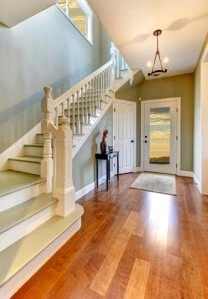
Quick Tips for Preventing Poolside Damage to My Hardwood Flooring
Use mats that are designed to absorb moisture. Place them at the openings of your home on bother the outside and inside of the doorways. This will catch extra water as well as allow for removing dirt and debris from the feet.
Place dry towels at the entrances on the outside of the door for children and guests to dry off before they even step foot inside the house.
Upgrade Your Poolside Flooring and Interior Protection
Whether you need to repair existing damage or are looking to install more durable poolside flooring solutions, choosing the right material is essential for long-term protection. Georgia Carpet offers a variety of waterproof luxury vinyl, tile, and high-performance hardwood finishes designed to withstand the demands of active, high-moisture environments. Contact our flooring experts today to find the best waterproof flooring.
FAQs About Poolside Flooring and Wood Care
What is the best poolside flooring for high-traffic homes?
For areas that lead directly from a pool to a home’s interior, waterproof flooring like luxury vinyl plank (LVP) or porcelain tile is ideal. These materials handle standing water and abrasive grit better than traditional hardwood.
Can pool water permanently damage hardwood floors?
Yes. Chlorine and moisture from the pool area can cause hardwood boards to swell, cup, or discolor. If water is tracked from poolside flooring onto wood regularly, it can eventually break down the protective finish and lead to mold growth in the subfloor.
Is waterproof hardwood a good option for pool transitions?
Waterproof hardwood can offer better protection than standard wood, but it still requires proper maintenance. In areas with constant exposure to pool traffic, many strategists recommend a complete waterproof solution like LVP to ensure 100% moisture resistance.